Expert Tips for Growing and Designing With Beautiful Boxwood

2021-02-26
Expert Tips for Growing and Designing With Beautiful Boxwood

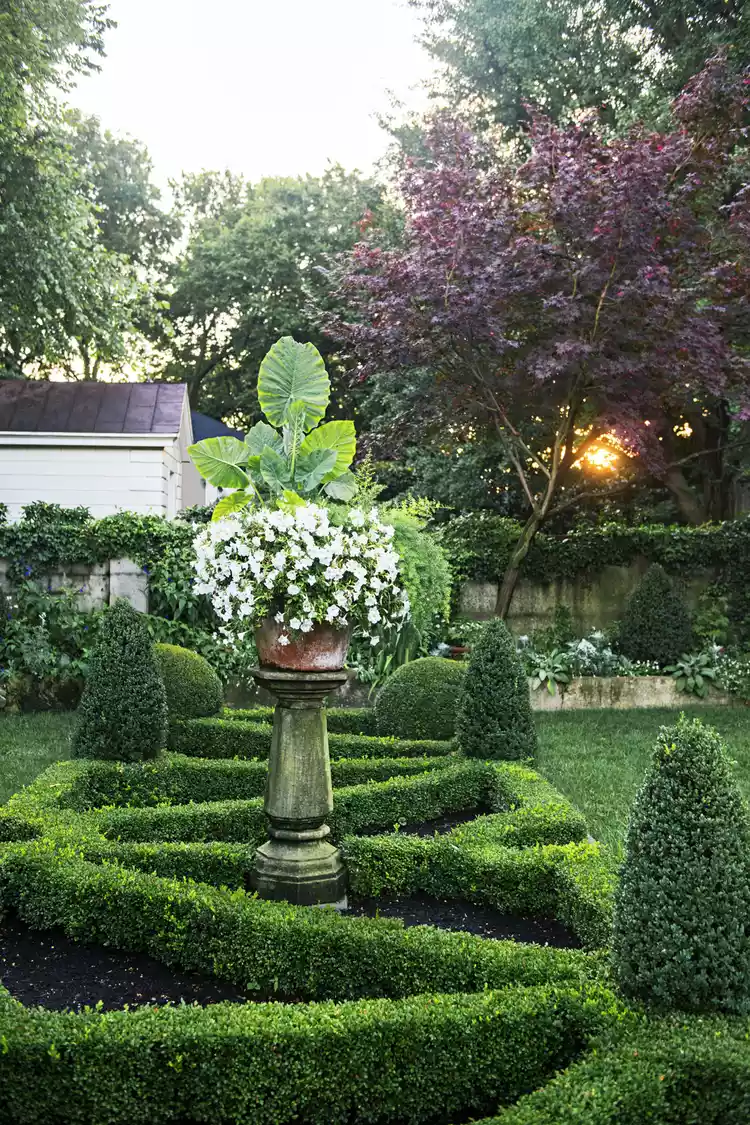
Boxwood has a long history in garden design, from ancient Rome to modern-day suburbia. A tidy boxwood hedge is a staple in traditional formal gardens, but landscape designers are also using the evergreen in fresh ways. Paired with ornamental grasses and flowering perennials, these elegant shrubs can look informal and entirely new. Another recent shift in the world of boxwood (Buxus spp.) is in the approach to care. Rather than shearing the shrub into any shape you please, growers now recommend starting with a variety that naturally grows into your desired shape and size, and then pruning selectively as it grows. This technique keeps your plant healthier, ultimately making it less susceptible to blight, a fungus that can wipe out the shrub. If you choose blight-tolerant varieties and treat them right, you can look forward to a long, happy life for the boxwood in your garden.

How to Grow Boxwood

Landscape architect, boxwood grower, and former director of the American Boxwood Society, Andrea Filippone shares her essential care tips.

1. Conditions

Boxwood thrives in full sun to part shade. Those in full shade won't grow as vigorously. Plants in full sun, particularly in hot inland areas, can be at risk of scorching. Hardiness depends on variety, but most grow in Zones 5-9.

2. Drainage

Plant in loose, quick-draining soil. Boxwood don't like soggy soil. Amend heavy clay soils with sand before planting.

3. Spacing

Spacing needs vary depending on mature size of the cultivar. Avoid planting too tightly, which crowds their shallow roots and prevents air circulation. Check the plant tags and err on the side of more room.

4. Water

After planting and for the first couple of months while your plant gets established, water one to two times per week. After that, keep an eye on the plant and the soil, Filippone says. In general, aim to water the root ball well, then allow soil to dry out between waterings. Keep potted boxwood on drip irrigation, if possible, because soil can dry out quickly.

5. Fertilizer

Filippone recommends using only organic fertilizers, such as compost or compost tea, to create healthy plants.

How to Prune Boxwood

According to Filippone, less is more when it comes to best pruning practices for boxwood. Limit pruning to only twice a year: once in the summer up until August and again in December (or wait until spring in cold-winter climates).

Boxwood push new growth where they're cut, Filippone explains, so shearing (clipping only the outermost layer of leaves) leads to a dense outer layer that blocks light and air from reaching the center. That dark environment encourages pests and disease. Instead, she recommends gently and selectively clipping a few inches of growth by hand with pruning shears to control size and shape. Next, make selective cuts with the pruners into the outer six inches to allow more light and air to reach the center: Angle the pruners into the shrub, making cuts where the boxwood begins branching. Remove the clipped branches as well as any dead twigs.

Andrea Filippone

Boxwood are my building blocks for design, allowing me to create structure and outdoor rooms—that won't be devoured by deer!

— Andrea Filippone

Dealing with Boxwood Blight

Boxwood blight can be devastating. It starts as dark spots on leaves, which then brown and fall off the branches. The disease can quickly spread to nearby boxwood. To prevent it, avoid creating the moist conditions the blight fungus thrives in by not watering overhead and not shearing. Plant only cultivars known to be less susceptible to blight, and avoid the especially problematic 'Suffruticosa' English boxwood. To prevent potential spread between plants, dip pruners into a 10-percent bleach solution after use on each plant (add one part bleach to nine parts water). Dispose of infected plants and the soil around it in trash bags; don't compost.

Garden Design Ideas for Boxwood

01 of 04

Hedgers and Edgers

A series of small boxwood balls forms a cottage-style hedge around raised beds in this kitchen garden by garden designer Elizabeth Everdell.

02 of 04

Container Accents

Keep it simple with topiary boxwood in classic terra-cotta containers. In a garden by Denler Hobart Gardens, cones and globes sit side by side to dress up a stone patio.

Tip: Use tall potted boxwood to frame a stairway or path.

03 of 04

Perennial Backdrop

A double layer of boxwood hedges in this Denler Hobart-designed garden give structure to this border of irises, roses, and lady's mantle.

04 of 04

Architectural Shapes

Strong pyramidal forms softened by grassy perennials created an unexpected foundation planting by Jon Carloftis.
Related Article

How to Propagate Orchids Successfully, Depending on Type

How to Propagate Orchids Successfully, Depending on Type

Learn the best techniques for propagating orchids that are monopodial or sympodial. Get essential tips and expert advice to propagate orchids by keiki or division.
How to Grow and Care for Nerve Plant

How to Grow and Care for Nerve Plant

Want to grow a nerve plant? Learn how to care for these tropical houseplants, where to grow them in your home, common pests, and different types to choose from.
How to Grow and Care for Living Stones

How to Grow and Care for Living Stones

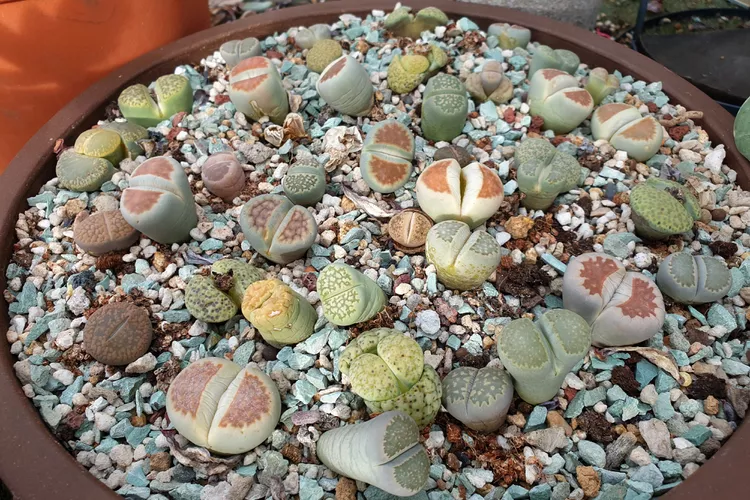
Find out how to grow living stones, unique miniature succulents that look like pebbles. This guide covers how to care for living stone plants, including watering them just right to keep them thriving.
8 Begonia Houseplant Care Tips to Keep Your Plants Thriving

8 Begonia Houseplant Care Tips to Keep Your Plants Thriving

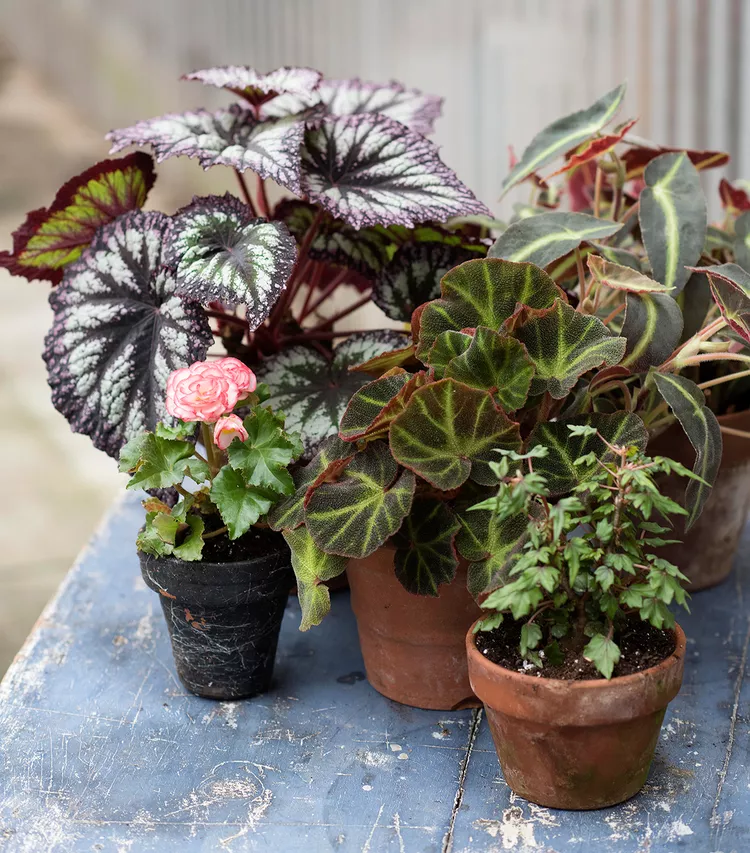
Find out how to care for begonia houseplants with these tips on the best types to grow, lighting, watering, fertilizer, and more.
11 Bathroom Plants That Thrive in Humidity

11 Bathroom Plants That Thrive in Humidity

Add some life to your home with these 11 high humidity bathroom plants. Dim lighting and a moist environment are exactly what they need to flourish.
How to Stop Woodpeckers from Pecking Your House

How to Stop Woodpeckers from Pecking Your House

Are woodpeckers pecking your siding? Learn why they’re making a racket and more importantly, how to get them to stop.
Discover Your Garden Personality to Create Your Perfect Outdoor Space

Discover Your Garden Personality to Create Your Perfect Outdoor Space

Garden designer Ryan McEnaney shares his insights and tips on finding your outside style based on your garden personality.
Grow Perfect Tomatoes with This PVC Trellis

Grow Perfect Tomatoes with This PVC Trellis

Protect your homegrown produce and learn how to make an arbor made with PVC pipes. This easy project is much less expensive than store-bought options!
13 Colorful Nectar Plants for Pollinators

13 Colorful Nectar Plants for Pollinators

Create a gorgeous, pollinator-friendly garden by including these nectar-rich plants.
How to Make a Tomato Cage Plant Stand

How to Make a Tomato Cage Plant Stand

Repurpose a tomato cage to create a tall plant stand perfect for a front stoop container garden. Add rustic flair with rope-wrapped rows.
How to Plant and Grow Skeleton Flower

How to Plant and Grow Skeleton Flower

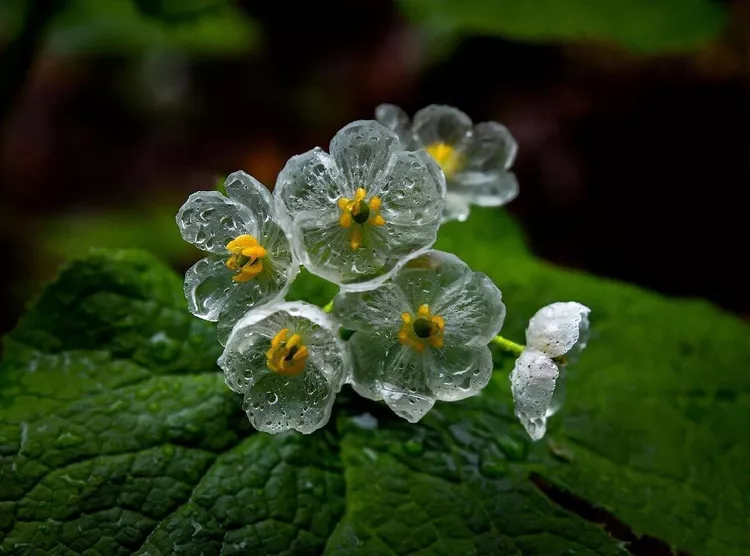
Skeleton flower is a unique and rare plant with petals that look clear when wet. This guide explains how to grow these unique and rare flowers, which do best in dappled light and consistently moist soil.
How to Plant and Grow Ranunculus

How to Plant and Grow Ranunculus

Ranunculus are favorite flowers for weddings, arrangements, and gardens. Here's how to plant and grow ranunculus.
How to Grow Roses from Cuttings of Your Favorite Varieties in 10 Simple Steps

How to Grow Roses from Cuttings of Your Favorite Varieties in 10 Simple Steps

In only a few simple steps, you can learn how to grow roses from cuttings to make your garden extra gorgeous.
How to Propagate Clematis from Cuttings and Layering

How to Propagate Clematis from Cuttings and Layering

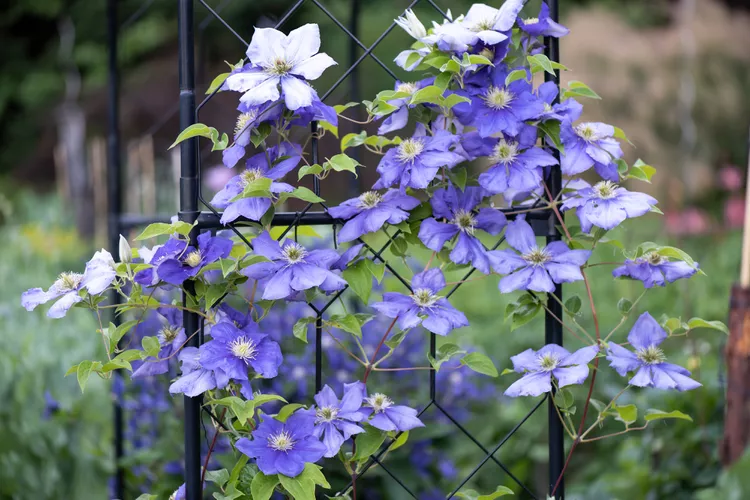
Learn how to propagate clematis successfully with this step-by-step guide on two different techniques.
Dress Up Your Home with This Foolproof Foundation Garden Plan

Dress Up Your Home with This Foolproof Foundation Garden Plan

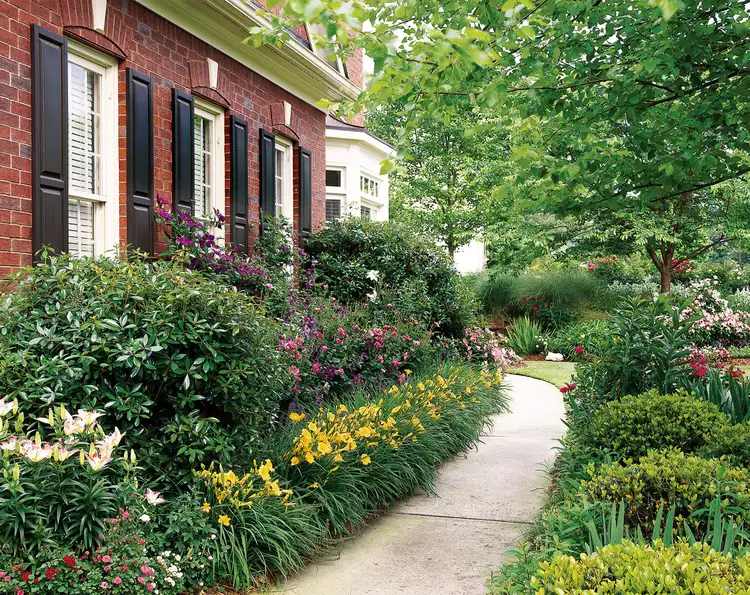
Create a welcoming look for your home with this easy-care combination of foundation plantings that will look great around the foundation of your home.
When and How to Harvest Spinach at Its Peak

When and How to Harvest Spinach at Its Peak

Learn how to harvest spinach microgreens, baby leaves, and mature greens with these simple tips.
The Plant Food That Saved My Roses Is Almost  at My Local Flower Shop, but It’s  at Amazon Right Now

The Plant Food That Saved My Roses Is Almost at My Local Flower Shop, but It’s at Amazon Right Now

One writer’s Knock Out roses were looking worse for wear, and now, thanks to an Instagram recommendation for a Amazon product, these blooms are thriving. Shop the Osmocote Smart-Release Plant Food on sale for 25 percent off.
How to Use Fertilizer for Plants According to Experts

How to Use Fertilizer for Plants According to Experts

Get expert tips on fertilizing plants, including the best formulation for both houseplants and garden plants, as well as how frequently you should feed them.
30 Facts About Plants You Didn't Know Until Now

30 Facts About Plants You Didn't Know Until Now

Did you know you can cut onions without crying? Here are some fun and interesting facts about plants.
Ladybug vs. Asian Lady Beetle: How to Tell the Good Bug from the Bad Bug

Ladybug vs. Asian Lady Beetle: How to Tell the Good Bug from the Bad Bug

A ladybug and an Asian lady beetle look similar, but one type helps control unwanted insects in the garden while the other is a pest itself. Here's how to tell these similar-looking bugs apart.